




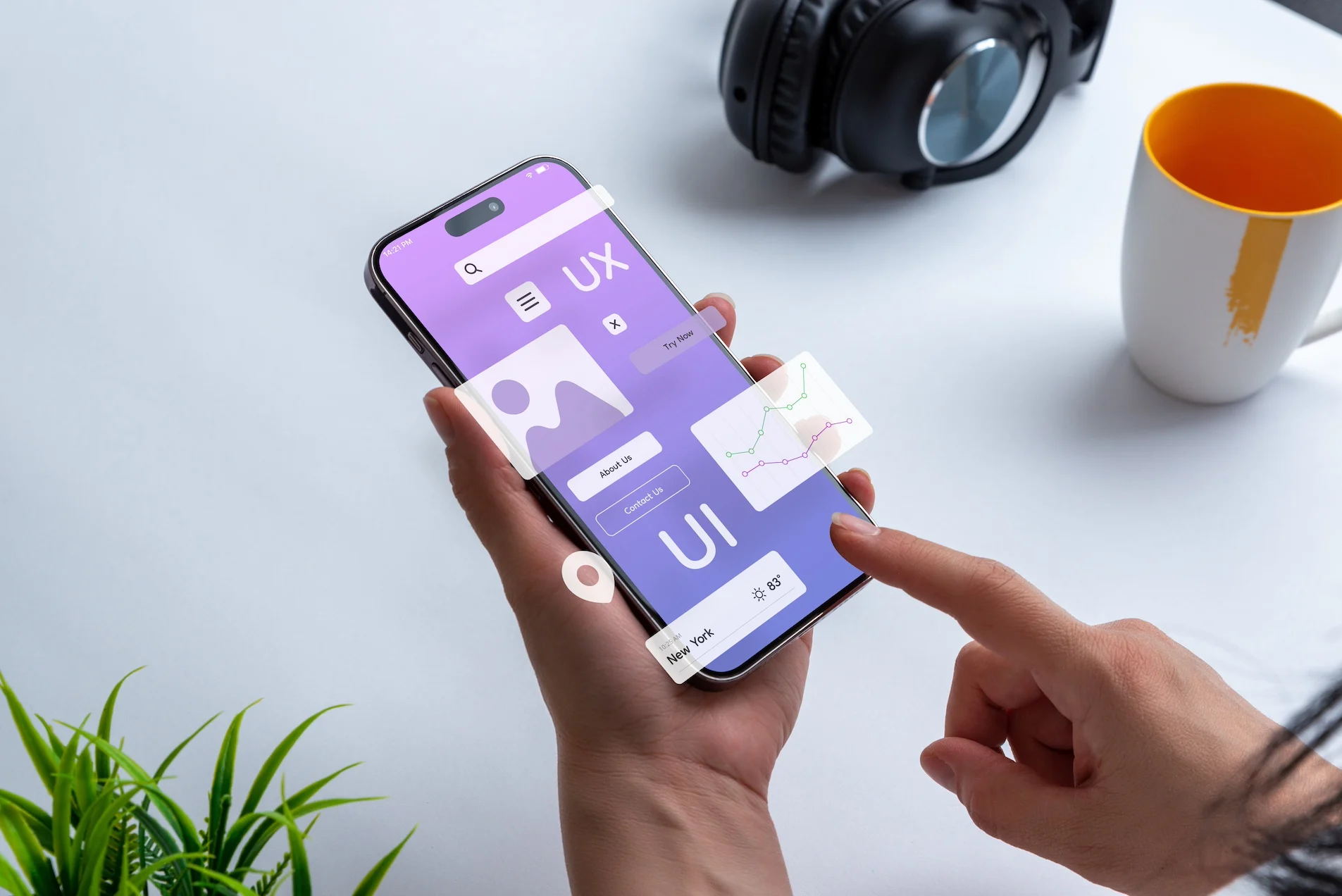
Why Mobile Optimization Matters (and How to Get It Right)
Explore how augmented and virtual reality are revolutionizing customer interactions and how you can integrate these technologies into your marketing strategy.
In 2026, most users visit websites from their phones. If your website doesn’t look good or work smoothly on mobile, you’re likely losing visitors—and customers.
Mobile optimization isn’t just a design upgrade. It’s a business necessity.

1. First Impressions Happen on Mobile
For many users, your mobile site is the first interaction with your brand.
A well-optimized mobile website:
- Looks clean and modern
- Loads quickly
- Feels easy to use
A poor experience? Users leave within seconds.
2. Better User Experience = More Conversions
Mobile users want speed and simplicity.
To improve results:
- Keep navigation simple
- Use clear buttons (CTA)
- Avoid cluttered layouts
- Make content easy to scan
A smooth experience turns visitors into real customers.
3. Mobile Optimization Improves SEO
Search engines prioritize mobile-friendly websites.
Key factors include:
- Responsive design
- Fast loading speed
- Proper layout on small screens
A mobile-optimized site helps you rank higher and get more traffic.

4. Responsive Design is the Foundation
Your website should adapt to all screen sizes automatically.
Responsive design ensures:
- Content adjusts perfectly on phones and tablets
- Images and text scale properly
- No horizontal scrolling
One website, seamless experience everywhere.
5. Speed is Everything on Mobile
Mobile users have less patience and slower connections.
Improve speed by:
- Compressing images
- Minimizing code (CSS, JS)
- Using fast hosting
- Enabling caching
Even a 1-second delay can reduce conversions significantly.
6. Optimize Touch & Navigation
Mobile users interact with their fingers—not a mouse.
Make sure:
- Buttons are large and easy to tap
- Menus are simple and accessible
- Forms are short and user-friendly
Good mobile design feels natural and effortless.
7. Keep Content Clear & Readable
Small screens need clean content.
Best practices:
- Use short paragraphs
- Add spacing between sections
- Use readable font sizes
- Highlight key points
Clarity keeps users engaged longer.
8. Test Across Devices
Your website should work perfectly on different devices and browsers.
Always test:
- Android & iOS phones
- Different screen sizes
- Multiple browsers
Consistency builds trust.
Final Thoughts
Mobile optimization is no longer optional—it’s essential for growth.
A website that looks great and works flawlessly on mobile will:
- Attract more users
- Improve engagement
- Increase conversions
Ready to Optimize Your Website for Mobile?
Make sure your website delivers a fast, smooth, and engaging experience—right in your users’ hands.